.png)
VA Implements Written Informed Consent for Antidepressants
There are moments in advocacy when you have to stop looking at what still needs to be done and recognize the progress and impact you’ve made.
Last week, the VA announced they will now require written informed consent when VA clinicians prescribe antidepressants to veterans under age 30, which encompasses the age range within the Food and Drug Administration’s (FDA) Black Box Warning for suicidal thoughts and behaviors. This is the VA’s initial action to curb unsafe prescribing practices identified by the VA’s Office of Inspector General in nearly 20 reports that showed treatment risk discussions with patients are not consistently documented, and in many cases is not occurring at all.
The VA’s announcement initially felt like a disappointment for many of the groups and individuals advocating for these safety reforms as they fall short of what has been requested and is needed. At the same time, we need to pause and recognize this prescribing safety policy change is unprecedented in any other major health system nationwide and will be the first novel action intended to begin turning the tide on the 108% increase in 18-34 year old veteran suicide rates since 2001.
What began as veterans telling their stories of adverse drug events, suicide attempts and drug cocktails, confirmed by the VA OIG and detailed in reporting from the Wall Street Journal, among others, this campaign became something much bigger, and unifying: more than 30 of the nations largest veteran groups leading leading a patient reform movement around mental health and prescribing safety.
On the 28th of September, 2026, the VA changed their position regarding written informed consent in response to the collective voice of the veterans community, and the issues the VA itself could only acknowledge.
For the Grunt Style Foundation and Irreverent Warriors Veteran Policy Fellow Derek Blumke, these reform efforts did not start in April with our joint letter to Congress. These efforts had been building for years through research, publishing veterans stories, hosting nationwide summits, and working with other veterans groups to engage the government to change course through GSF's War Cry for Change campaign.
Blumke brought something particularly important to the effort: lived experience as the recipient of unsafe prescribing practices, years of work inside the veteran advocacy community in the US Capitol, and the ability to use those experiences to inform VA programs and policy making. The issue has never been whether veterans should or should not take medication, or the idea the medications are bad. It was much simpler: veterans should know the risks, benefits, side effects, alternatives and discontinuation considerations before making decisions about their own health.
That idea eventually became bigger than any one person or organization.
On April 29, 2026, 35 national veterans organizations sent a joint letter to Congress and VA leadership calling for written informed-consent protections when clinicians prescribe psychotropic and narcotic medications, and Congressional oversight of VA prescribing practices. The signatories of these letters include our leading partner the Veterans of Foreign Wars, along with The American Legion, Disabled American Veterans and Iraq, Afghanistan Veterans of America, and a host of others.
And VA leadership heard us as one voice.
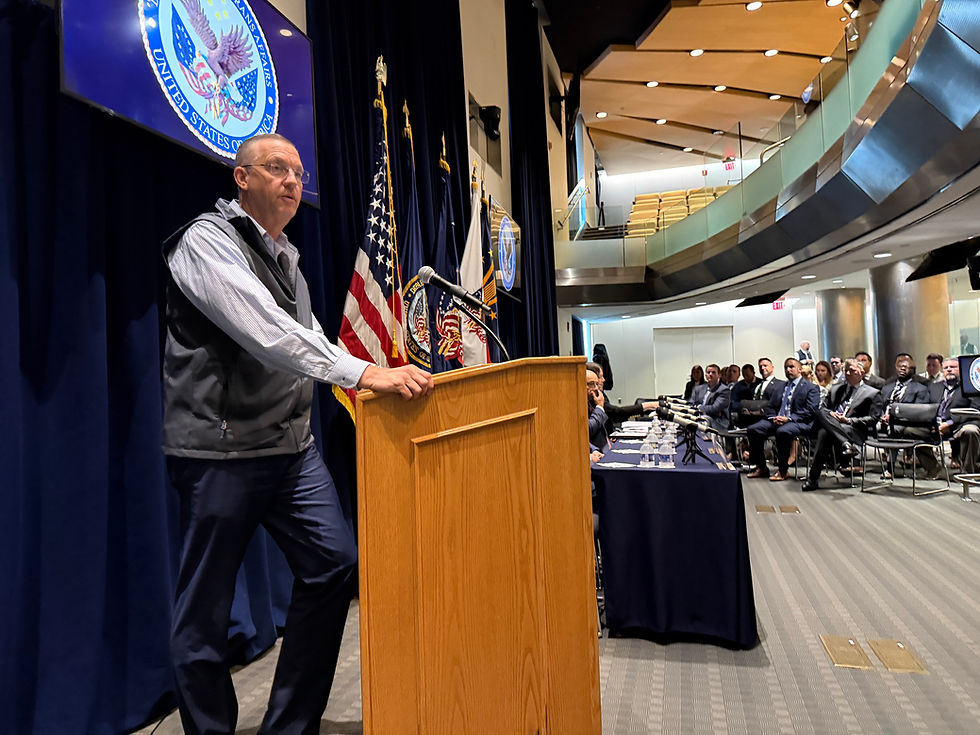
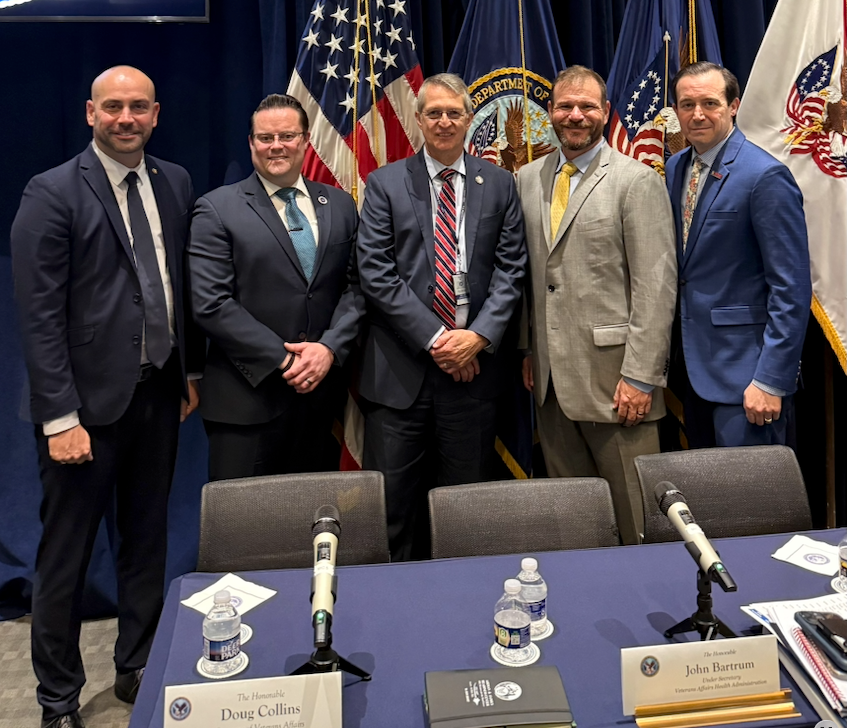
In June, VA Secretary Doug Collins invited many of the signatories of our first letter to VA headquarters where he informed our groups that the VA would soon be making prescribing safety reforms for psychotropic medications: this includes written consent for antidepressants to age 30, and when VA clinicians concurrently prescribe a benzodiazepine and an opiate.
On September 28th, the Department of Veterans Affairs publicly announced these reformed informed-consent and patient-education requirements for psychotropic medications. Beginning in 2027, those changes will include signature consent in certain prescribing situations, along with standardized patient education and documented discussions covering risks, side effects, benefits, alternatives and safe tapering instructions.
Those reforms do not give the coalition everything it asked for, yet.
That also does not take away from the significance of VA Secretary Collins and Acting Under Secretary of Health John Figeuroa's decision to implement these changes, or the lives that will be saved by simply confirming our friends are told the possible side effects they could experience, prior to starting an antidepressant or a combo prescription of benzodiazepines and opiates.
This was a problem veterans had been talking about for years and from it was developed a concrete policy proposal. One organization became several. Several became over 30. Major national VSOs stood behind the same demand. Congressional and other public figures became involved. VA leadership engaged. And ultimately, the VA changed its prescribing policy.
That is impact.
And Derek Blumke and all of our volunteers and partners deserve recognition for their role in helping us get there, alongside hundreds of others. His advocacy on medication safety predates these letters to Congress by years, and through his work with Grunt Style Foundation and its partners, the issue moved from individual veterans describing their experiences to a coordinated national effort asking the federal government for a specific solution.
It is important to emphasize this: none of this was accomplished alone.
Thirty-five veteran organizations lent their names, credibility and voices to the effort. That coalition in itself unifying around this issue is a victory.
There is still more work to do, and we have been very clear about what we believe remains missing from the VA's actions.
But advocacy cannot only be about pointing at the next hill.
Sometimes you have to stop and recognize when you've hit a home run.
And for everyone who has ever wondered whether a handful of veterans raising their hands and saying, “This needs to change,” can actually move a federal system:
Apparently, the answer is yes.
Derek Blumke is a member of the IW national staff and belongs to the IW Michigan-Lansing leadership team.